

By Shehu Yahaya
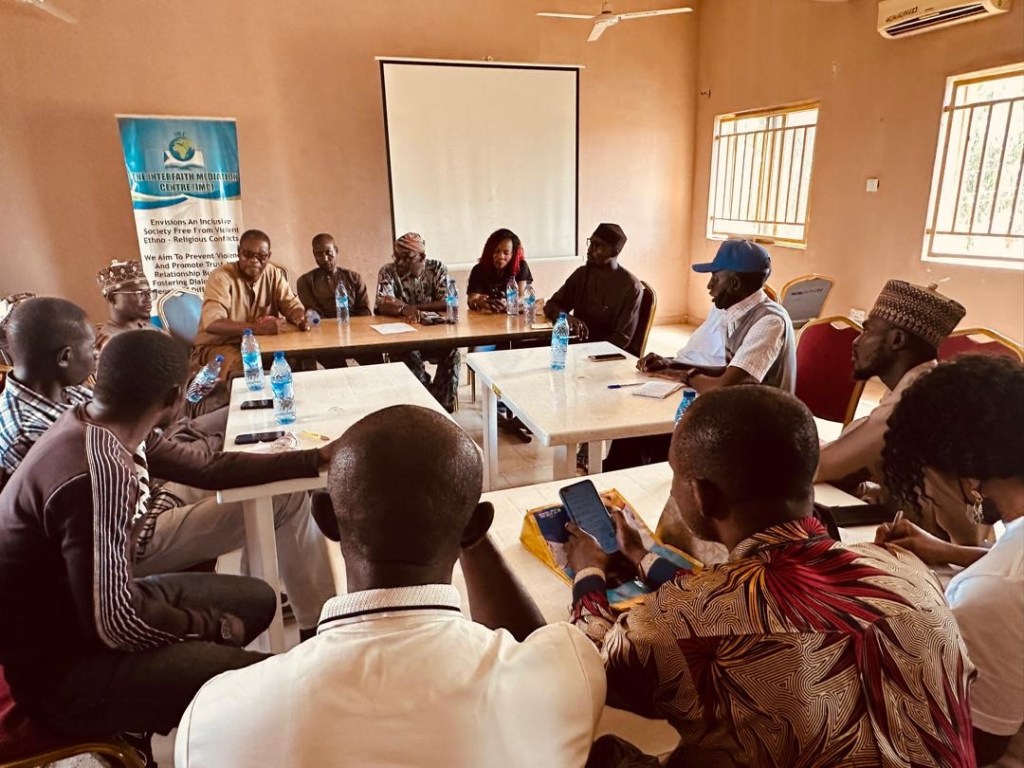
A coalition of scientists, faith-based organizations, civil society groups, and other stakeholders convened in Kaduna to stressed the immediate need of addressing the harmful impacts of timber, charcoal, and firewood industries in Nigeria’s forests.
During a roundtable discussion on climate change held on Saturday, participants highlighted the importance of preserving forests and biodiversity, urging relevant parties to take decisive action.
The Scientists and stakeholders in environmental protection in attendance equally called for action to combat extinction of plants and animals species in the country.
Even as they noted that this is a crisis driven by human activities due to increased demands for firewoods, charcoal and timber businesses.
Concerns were raised about rising pollution from abattoirs, particularly the usage of burning waste tires to roast animal skins. Some youth were discovered to have resorted to burning tires to extract cables for resale.
Mr. Samson Auta, the National Coordinator of the Interfaith Media Center (IMC), announced the creation of a dedicated desk to address Climate Change and Environmental issues. The Center aim to educate and inform the public on ways to mitigate climate change and tackle environmental degradation, threatening peace and stability in the northern region.
Auta noted that climate change poses significant challenges to security, underscoring the need for collaborative efforts to find effective solutions.
He also mentioned that IMC has distributed thousands of trees to places of worship, schools, and skills acquisition centers, teaching community members about tree planting techniques and the critical role religious leaders play in combating desertification and deforestation.
Mallam Hayatu Ashafa, the Co-National Coordinator IMC, emphasized that the Center conducts monthly awareness sessions on climate change for residents of Kaduna and surrounding states.
According to him, the meetings focus on environmental challenges and various plants and animals species facing extinction, while exploring possible solutions.
Comrade Nurudden Bello, Director of African Climate Reporters, stressed the urgency of educating the public about the dangers of dumping waste and harmful substances into the rivers, and water sources leading to jeopardized aquatic life.
He called for government intervention to address flood disasters, riverbank erosion, and other effects of global warming that contribute to human and animals migration.
This year, many Nigerians have incurred significant medical expenses related to malaria, highlighting the health impacts of environmental degradation.
Mallam Abdullahi Argungun from the National Orientation Agency (NOA), Kaduna urged joint efforts to raise public awareness about tree planting as a means to combating the increase in deforestation and desertification, resulting to higher temperatures and drought
He reaffirmed that educating and enlightening the public is one of key responsibilities of the Agency.
In his own contribution, Mallam Salim Musa Sulaiman, of the Global Climate Initiative, called on citizens to plant more trees to mitigate climate change in northern Nigeria, a region facing severe heat and environmental challenges due to extensive deforestation for timber, charcoal, and firewood.
He emphasized the importance of uniting all stakeholders to educate communities on the harmful effects of deforestation and desertification.
 FLASH POINT
Leave a comment