

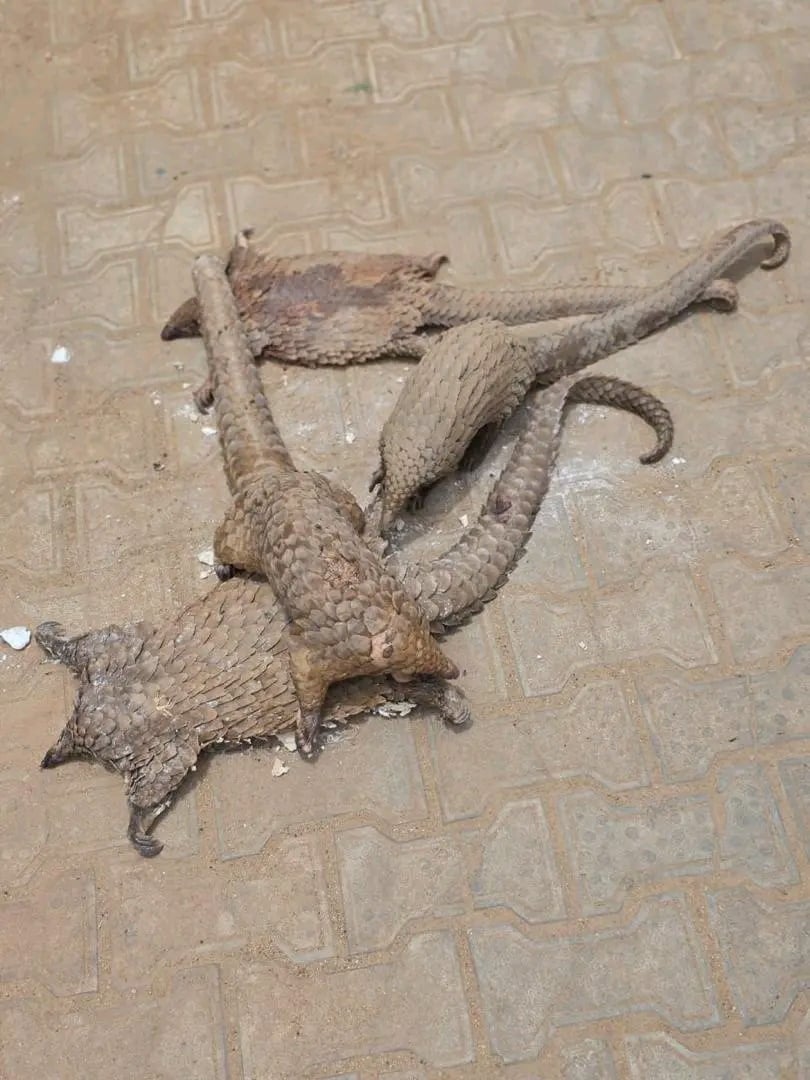
…Records second major interception of live pangolins in two weeks along Kano–Jigawa axis…
By Shehu Yahaya
The Nigeria Customs Service (NCS), Federal Operations Unit (FOU) Zone ‘B’, has intensified its fight against wildlife trafficking with the interception of additional live pangolins being illegally transported along the Kano–Takai–Jigawa road.
The latest operation, which took place on March 26, 2026, at about 1:00 p.m., comes barely two weeks after a similar successful interception on March 12. The back-to-back seizures highlight a significant escalation in enforcement activities by the Unit in March.
According to officials, the operations were carried out in line with the Convention on International Trade in Endangered Species of Wild Fauna and Flora (CITES), an international treaty to which Nigeria is a signatory. The agreement strictly prohibits trade practices that threaten the survival of endangered wildlife species.
Customs operatives, acting on credible intelligence, intercepted a suspicious vehicle during a routine patrol along the axis. A thorough search of the vehicle led to the discovery of the live pangolins, which had been concealed in a bid to evade detection.
All the rescued animals from both the March 12 and March 26 interceptions have since been secured and transported to the FOU Zone ‘B’ headquarters in Kaduna. Authorities say the animals will be handed over to appropriate wildlife agencies for rehabilitation and conservation.
Speaking on the development, the Comptroller of the Unit, Comptroller Aminu Sule, reaffirmed the Service’s commitment to combating wildlife crime. He disclosed that a comprehensive investigation has been launched to uncover and dismantle the trafficking network behind the illegal operations.
“The frequency of these interceptions—twice within a fortnight—demonstrates our heightened surveillance. This seizure sends a clear message: Zone ‘B’ will not be a transit point or a safe haven for wildlife traffickers,” he said.
Pangolins are widely regarded as the most trafficked mammals in the world, largely due to the high demand for their scales and meat in illegal markets. The Nigeria Customs Service reiterated its resolve to enforce environmental laws and international treaties aimed at protecting the country’s biodiversity and meeting global conservation obligations.


Leave a Reply