

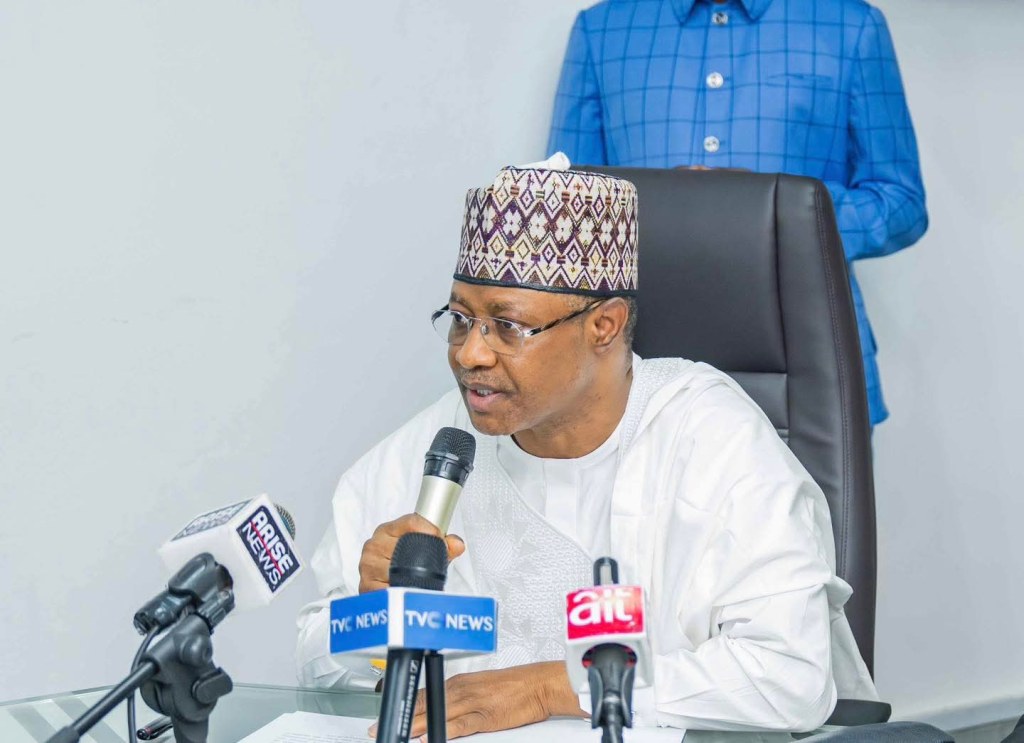
Engr Sani Danborno Sarkin Yaki
Today,in the heart of Nigeria’s northern Nigeria, Kaduna State is strategically undergoing a transformative renaissance under the leadership of Governor Malam Uba Sani. With a steadfast commitment to addressing the longstanding challenges of energy scarcity and infrastructural deficits, Governor Sani has positioned the Rural Electrification Project as a cornerstone of his administration’s agenda. This initiative not only aims to illuminate rural communities but also to propel Kaduna towards energy self-sufficiency—a vision that resonates deeply with the governor’s people-first philosophy.

As of October 2025, recent partnerships and investments underscore the tangible progress being made, setting Kaduna as a potential model for renewable energy development across the nation.
Governor Uba Sani’s desire to make Kaduna self-sufficient in power is more than rhetoric; it’s a driving force behind strategic collaborations that are yielding real results. Just days ago, on October 22, 2025, the Kaduna State Government signed a Memorandum of Understanding (MoU) with the Rural Electrification Agency (REA) to deploy decentralized solar power solutions in underserved communities.

This landmark agreement, formalized during a high-profile Renewable Energy Roundtable presided over by the governor himself, focuses on expanding access to renewable energy while fostering industrial growth. The even themed”New Kaduna State Electricity Market for Access, Investment & Industrial Growth,” brought together stakeholders to explore tailored electrification strategies for unserved and underserved areas.
Governor Sani emphasized Kaduna’s strategic positioning as a national exemplar in renewable energy, leveraging its abundant solar potential to create jobs, boost sustainable energy supply, and enhance economic opportunities.The MoU promises the installation of solar-powered systems, including streetlights and mini-grids, which will not only light up homes and businesses but also support agricultural productivity—aligning with parallel efforts to empower 400 smallholder farmers through development agencies. This holistic approach addresses the chronic power outages that have hampered rural development, ensuring that even remote villages can thrive in a modern, electrified economy. By prioritizing transparency and innovation, Governor Sani is building an investor-friendly electricity market that could attract billions in investments, ultimately reducing dependence on the national grid and achieving the long-elusive goal of energy independence.
Beyond power, Governor Sani’s administration has made unprecedented strides in infrastructural development, with roads serving as vital arteries for economic connectivity. Through the capable hands of Commissioner of Works, Architect Ibrahim Hamza, the state has embarked on ambitious projects that are reshaping Kaduna’s landscape. In just over two years, the government has initiated or completed over 780 kilometers of roads across all 23 local government areas, with a strong emphasis on rural connectivity to bridge urban-rural divides.
A standout achievement is the Bus Rapid Transit (BRT) system on the Eastern Bypass, designed to alleviate traffic congestion and streamline transportation for millions of residents. This project, part of a broader modernization of urban transport, promises to ease the daily commute, reduce travel times, and lower environmental impact through efficient public transit. Complementing this are numerous road flag-offs, such as the historic Makarfi Road Project in September 2025, which connects key communities and boosts trade. Similarly, the Kayarda–Tasha–Masakawa–Dan Alhaji Road in Lere Local Government Area, spanning 16.5 kilometers, was launched to enhance accessibility in underserved regions. Upgrades like the Sultan-Surami Road, complete with high-quality asphalt and markings, and the Rigasa Township Road inspections demonstrate a commitment to quality and timely delivery. Governor Sani’s pledge to complete all ongoing projects without abandonment ensures that these initiatives translate into lasting benefits, fostering economic growth and improving quality of life.
Rightly so, transportation remains a critical pillar of Governor Sani’s vision, and his administration has taken proactive steps to make it accessible and affordable. In July 2025, the state launched a free bus service for civil servants, retirees, students, and security personnel in the capital, marking a significant relief amid rising living costs.These buses, procured and strategically positioned across key routes, operate at no cost or subsidized rates, ensuring workers and students can reach their destinations reliably and without financial strain.
Orchestrating these efforts is Engr. Inuwa Ibrahim, the Managing Director of the Kaduna Transport Company Ltd (KTCL) and Acting Director General of the Kaduna State Transport Regulatory Authority (KADSTRA). Under his seamless coordination, the state has paid N97 million in counterpart funding for the Bus Rapid Transit (BRT) project, which is poised for launch to further ease mobility in the metropolis.Delegations led by Engr. Inuwa have sought best practices from bodies like the Lagos Metropolitan Area Transport Authority (LAMATA), focusing on procurement and operations to ensure the BRT system’s success.This initiative not only modernizes public transport but also creates employment opportunities, aligning with the governor’s broader goal of sustainable urban development.
At the core of every policy and decision under Governor Uba Sani is an unwavering focus on the needs of Kaduna’s people. Whether it’s electrifying rural hamlets, constructing durable roads, or providing affordable transport, these efforts are meticulously tailored to uplift the masses. The administration’s refusal to abandon inherited projects and its emphasis on equitable development across urban and rural areas exemplify a governance model rooted in empathy and accountability. As Kaduna marches towards self-sufficiency in power and beyond, Governor Sani’s legacy is being etched not in grand speeches, but in the illuminated homes, smoother journeys, and empowered lives of its citizens.
In a nation grappling with infrastructural challenges, Kaduna’s story under Governor Uba Sani offers a beacon of hope—a testament to what visionary, people-driven leadership can achieve. With continued momentum, the state is not just revitalizing its sectors; it’s building a brighter, more prosperous future for all.
Engr Sani Danborno Sarkin Yaki
 FLASH POINT
Leave a comment